
Experience the transformative effects of Hyperbaric Oxygen Therapy (HBOT) for Anemia at our rejuvenescing clinic in Jhunjhunu City, located in the beautiful region of Rajasthan, India. Our state-of-the-art facility offers a holistic approach to healing, utilizing the power of pressurized oxygen to improve blood flow and combat the effects of anemia. Discover a new path to wellness and vitality with our cutting-edge treatments, designed to elevate your health and well-being. Book your appointment today and take the first step towards a healthier, more vibrant life.
Hyperbaric Oxygen Therapy: Rejuvenescing Treatment for Anemia with HBOT | Jhunjhunu City, Jhunjhunu, Rajasthan, India
Hyperbaric oxygen therapy overview for rejuvenescing skin and promoting healing.
Hyperbaric Oxygen Therapy (HBOT) is a medical treatment that involves breathing pure oxygen in a pressurized chamber. This process increases the amount of oxygen in the blood, promoting healing and fighting infection. The therapy enhances oxygen delivery to tissues, reduces inflammation, and stimulates the growth of new blood vessels. HBOT is used to treat a variety of conditions, including non-healing wounds, carbon monoxide poisoning, decompression sickness, and certain infections. By improving oxygen supply to damaged areas, HBOT accelerates recovery and supports tissue regeneration. Its applications extend to enhancing overall health and well-being, making it a versatile and valuable tool in modern medicine.
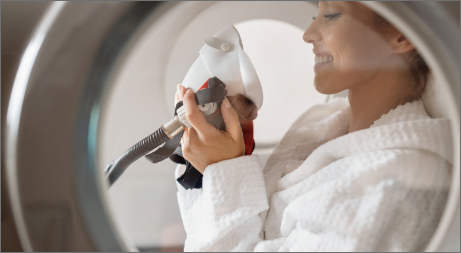
Closer examination of rejuvenescing patients reveals symptoms of anemia.
Anemia is a condition characterized by a deficiency in the number or quality of red blood cells, which are essential for carrying oxygen throughout the body. Common causes include iron deficiency, vitamin B12 or folate deficiency, chronic diseases, and genetic disorders. Symptoms of anemia can vary but often include fatigue, weakness, shortness of breath, dizziness, and pale skin. Diagnosis typically involves blood tests to measure hemoglobin levels and red blood cell count. Treatment depends on the underlying cause and may involve dietary changes, supplements, medications, or procedures like blood transfusions. Addressing anemia is crucial as it can significantly impact overall health and quality of life by impairing the body's ability to function efficiently.
Hyperbaric Oxygen Therapy can help in treating Anemia effectively.
Hyperbaric Oxygen Therapy (HBOT) can aid in the treatment of anemia by enhancing oxygen delivery to tissues when red blood cell counts are low. In a pressurized chamber, patients breathe pure oxygen, which dissolves more oxygen into the plasma. This increased oxygen availability can compensate for the reduced oxygen-carrying capacity of the blood, temporarily alleviating symptoms of anemia. HBOT is particularly useful in severe cases where rapid oxygenation is needed, such as in sickle cell anemia crises or severe blood loss. By improving tissue oxygenation, HBOT supports cellular function and promotes healing, making it a valuable adjunctive therapy in managing certain types of anemia and related complications.
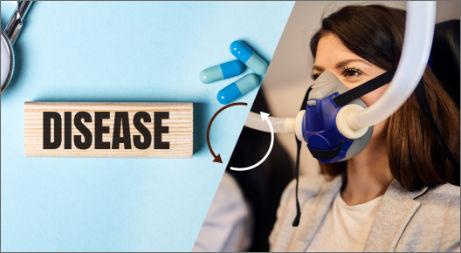
HBOT is known for its rejuvenescing effects on anemia patients. Give it a try.
Hyperbaric Oxygen Therapy (HBOT) offers a promising adjunctive treatment for anemia by significantly enhancing oxygen delivery to tissues, especially when red blood cell counts are insufficient. By increasing plasma oxygen levels, HBOT helps alleviate symptoms of anemia, such as fatigue and weakness, and supports overall cellular function. This therapy is particularly beneficial in severe cases, including sickle cell crises and acute blood loss, where rapid oxygenation is critical. While not a standalone cure, HBOT effectively complements traditional treatments, providing immediate relief and improving patient outcomes. Continued research and clinical application will further define its role, ensuring that patients with anemia receive comprehensive, effective care.
References
https://pubmed.ncbi.nlm.nih.gov/23045922/